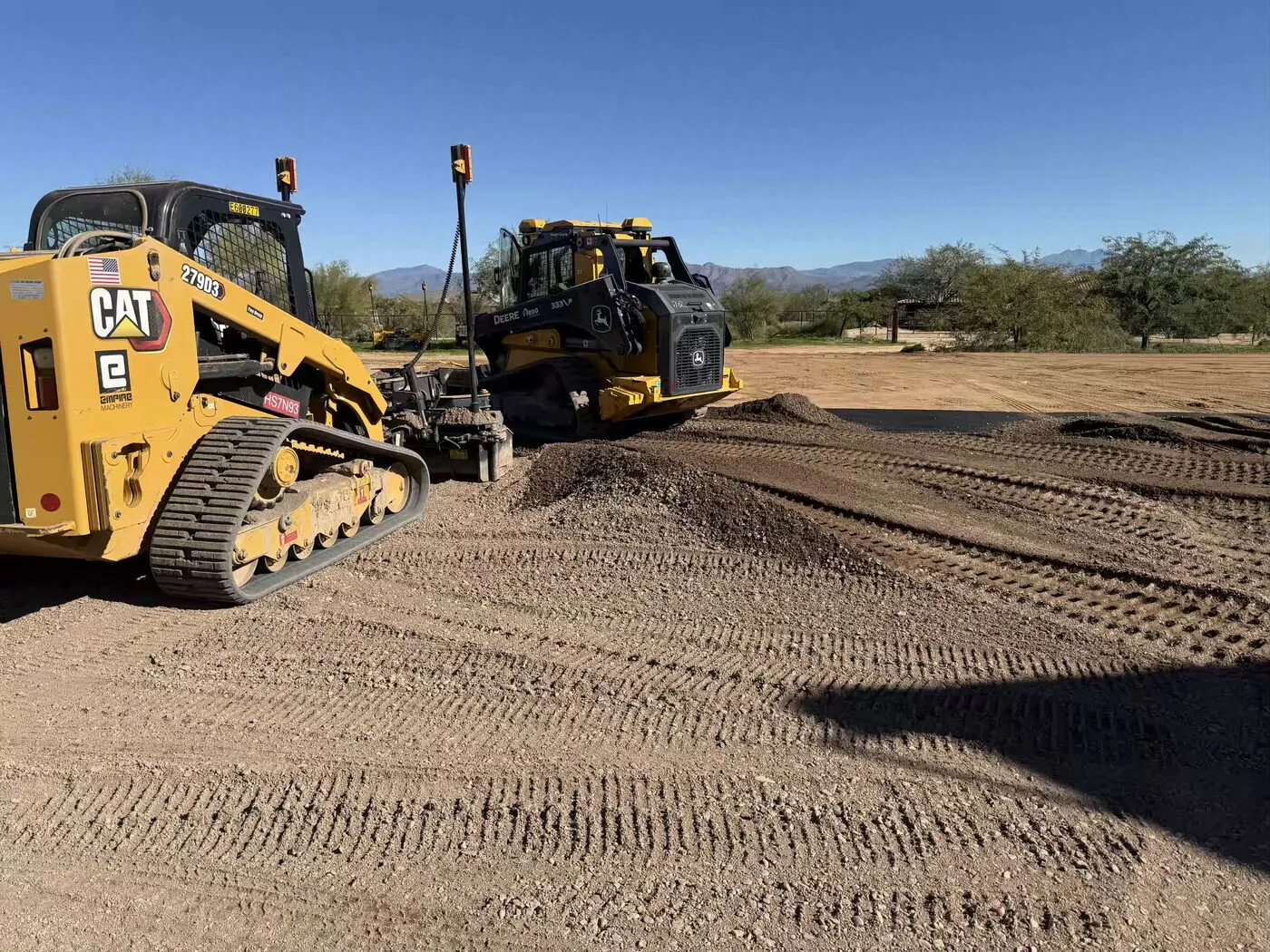
Already engineered or starting with a site problem? Two ways to scope the work
The difference between bidding an established specification and developing a scope with the project team.
By Jenterra · · 3 min read
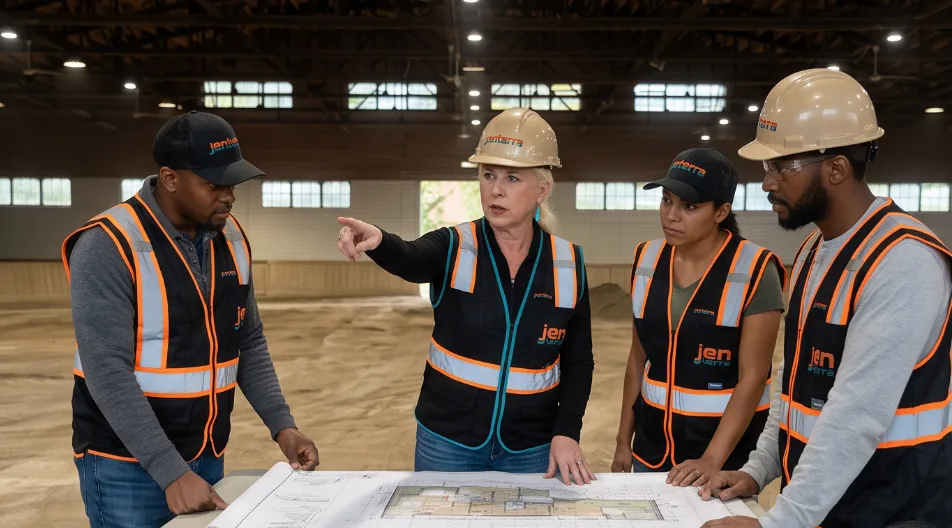
When the plans and specifications are established
For a job that has already been engineered, the plans and specifications define the work. Material requirements, installation details, grades and inspection requirements are the starting point for the bid and the installation.
Jenterra works with general contractors and project teams to scope the specified work. The goal is not to substitute a preferred system for the engineered design. Questions and proposed changes need to be resolved with the responsible project team.
When the site problem comes first
An owner may know the problem without having a complete design: a slope is failing, aggregate is moving or a pad needs preparation. In that situation, the first conversation is about conditions, use and the desired outcome.
The team can then work through the scope, material options and details, including the engineering input required for the project. A design-build approach starts with those decisions rather than treating an incomplete scope as ready for installation.
Send the information that matches your project
For an engineered job, share the current plans, specifications, relevant bid items, quantities and schedule. Identify scope boundaries and any requirements for submittals or inspection.
For a project without a completed design, share site photographs, location, approximate dimensions, soil and drainage concerns, intended use and timeline. That information gives the project team a practical starting point.
Keep performance goals specific
Permeability, maintenance, material use and surface performance are useful project goals, but they need to be tied to the site and its intended use. Define what matters before choosing a system.
Whether Jenterra is bidding as a subcontractor or working directly with an owner, the scope should make clear what is being supplied, installed and verified.